
In Year R are Mrs Smith (class teacher) and Mrs Oliver (teaching assistant).
Welcome to Reception at Lugwardine Primary School
We are delighted to welcome you and your child to the start of their primary school journey! Did you know that children develop more rapidly during the first five years of their lives than at any other time? Because this window of growth is so vital, our Reception year is designed to be a vibrant, supportive, and stimulating environment where every child can flourish.
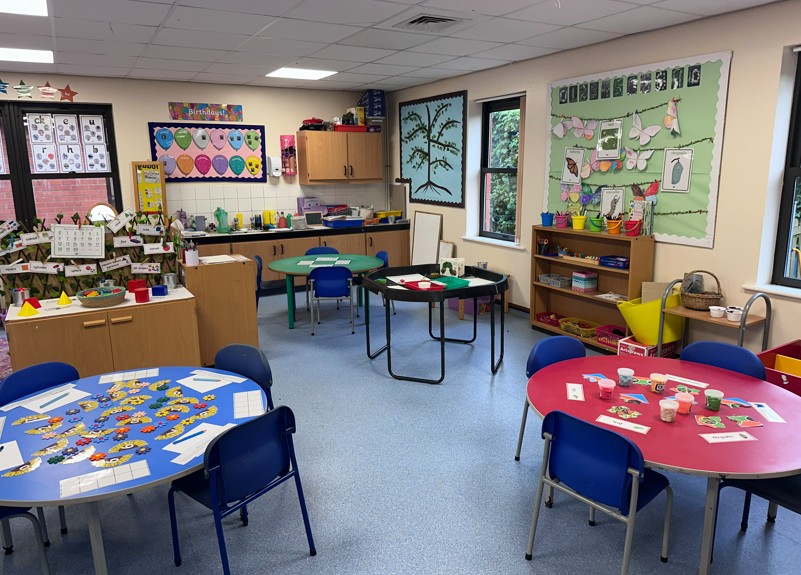
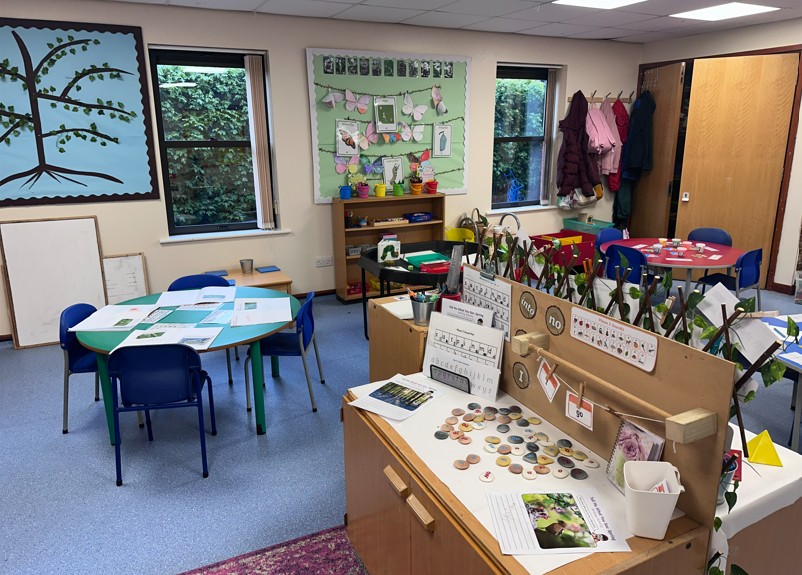
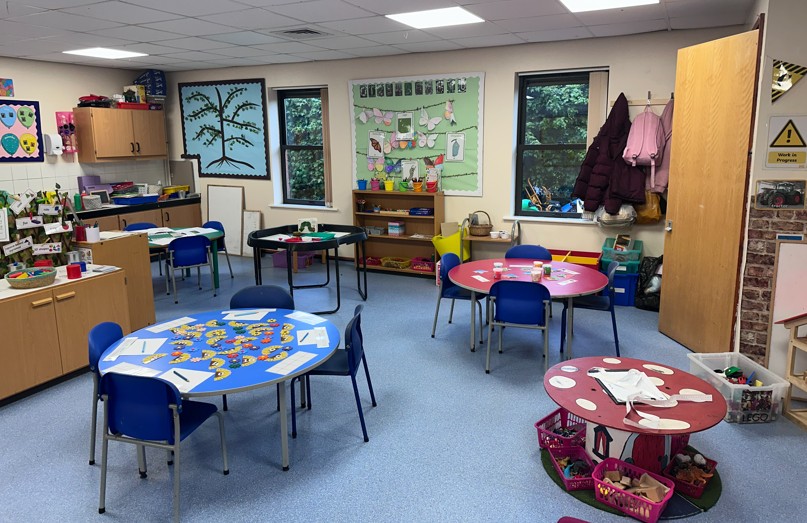
Our Reception Class
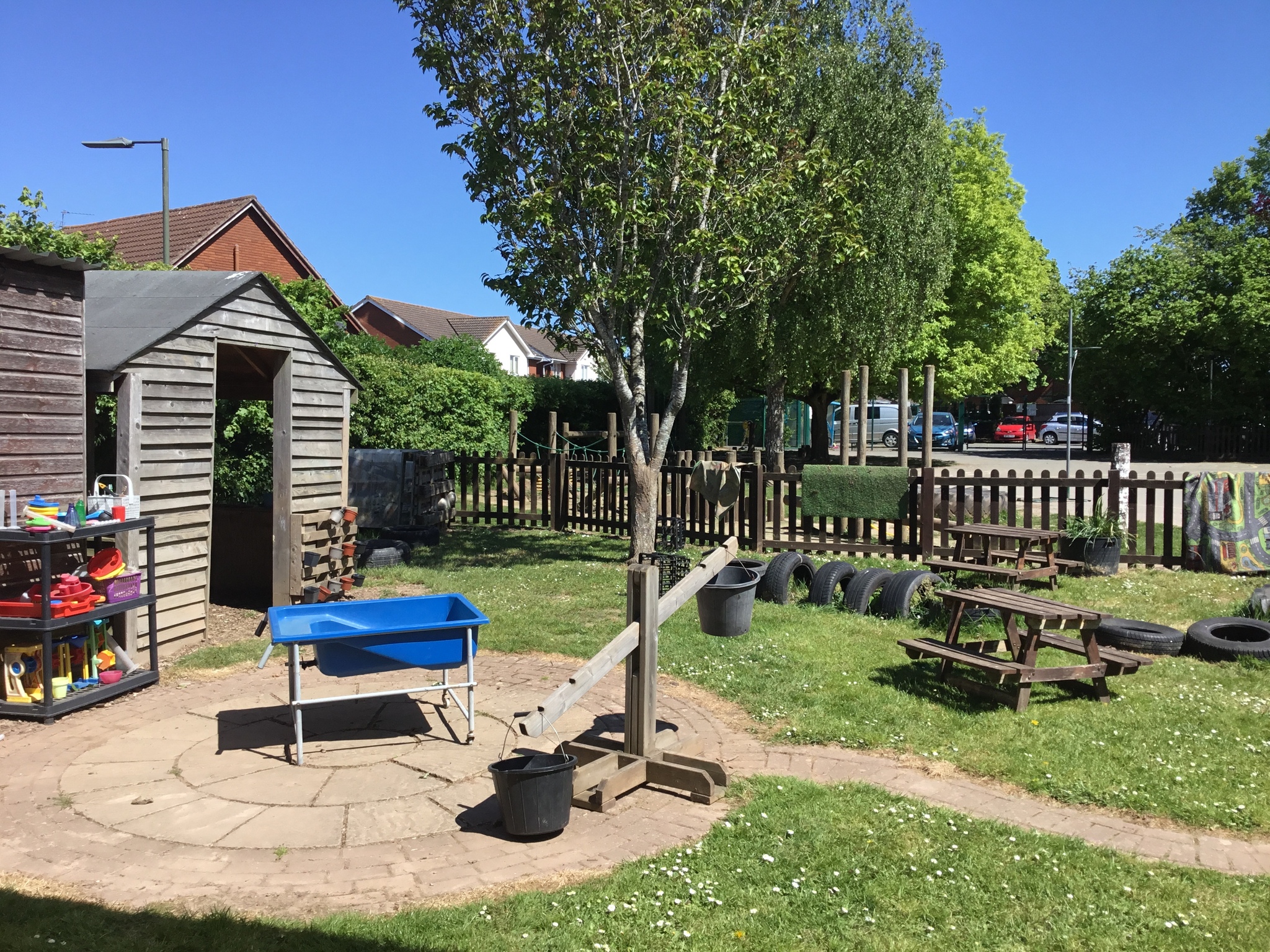
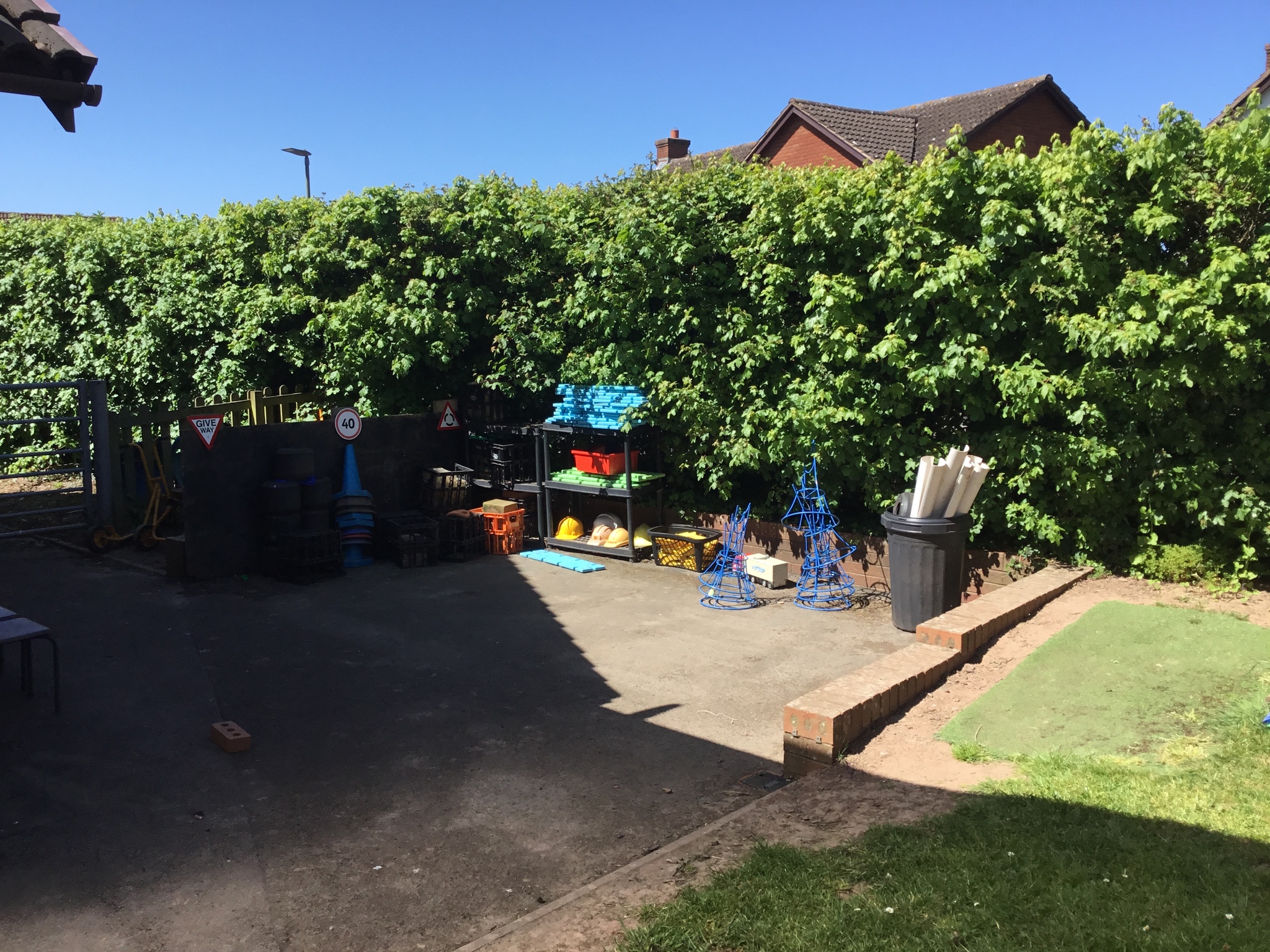
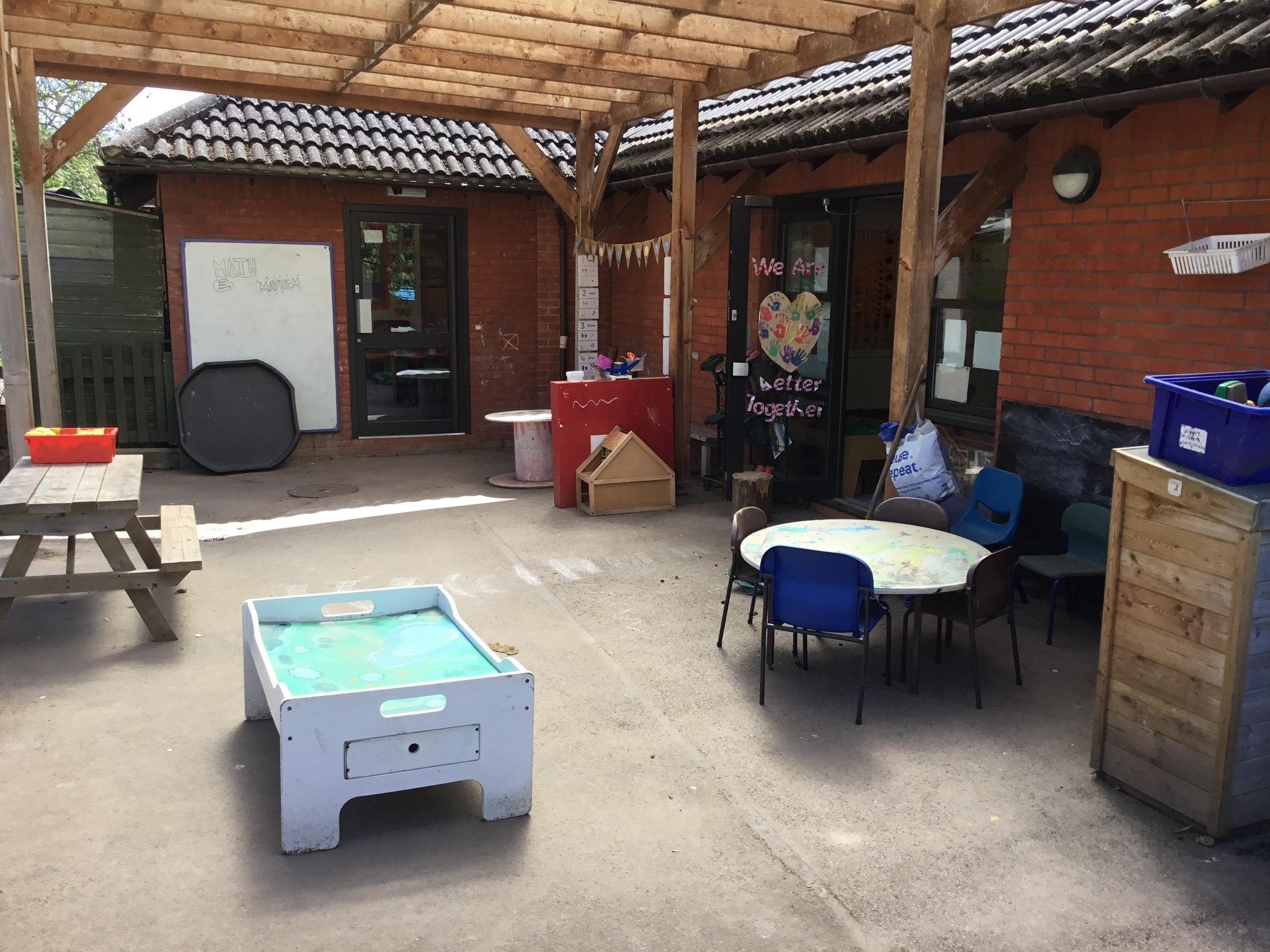
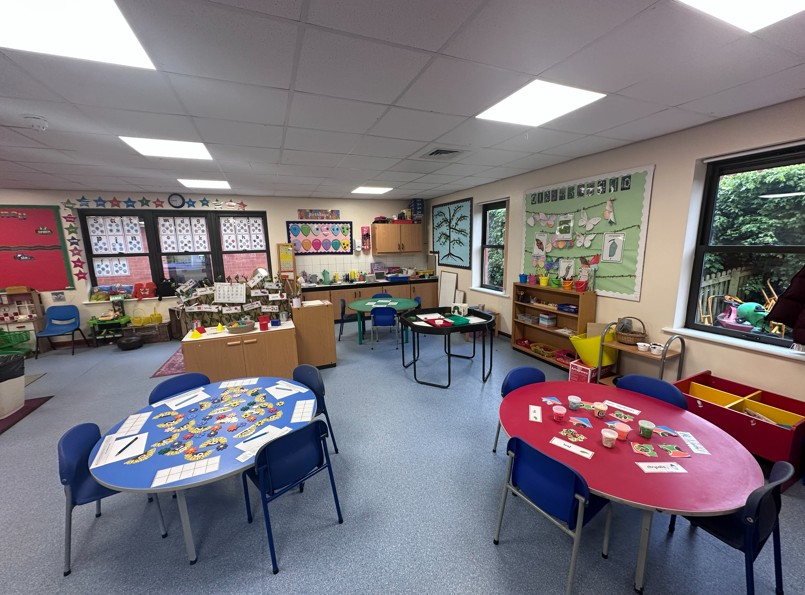
Our Approach to Learning
In the Early Years Foundation Stage (EYFS), we believe that children learn best when they are engaged, curious, and happy. Our curriculum is built around the seven areas of learning and development, ensuring a well-rounded start to your child’s education.
Beyond specific subjects, we focus on the Characteristics of Effective Learning. We support our pupils as they:
-
Play and Explore: Investigating and experiencing things, and ‘having a go’.
-
Become Active Learners: Developing concentration and the resilience to keep trying if they encounter difficulties.
-
Create and Think Critically: Developing their own ideas, making links between ideas, and developing strategies for doing things.
A Foundation for the Future
At Lugwardine, your child’s time in Reception is about more than just the classroom; it’s about building the confidence and social skills they need for life. We work closely with parents to ensure that every child feels safe, valued, and excited to come to school every day.
A Typical Day in Reception
Life in Year R is busy, purposeful, and full of variety! While no two days are exactly the same, our daily routine typically includes:
-
Whole Class Together: Time for storytelling, imaginative talk, "word collecting," sentence building, and writing.
-
Phonics Session: A blend of whole-class "speed sounds" practice and small group work.
-
Mathematics Session: Focused group time with an adult.
-
Self-Selected Play: Opportunities to explore a wide range of activities both inside and outside the classroom.
-
Snack Time: A social time for fresh fruit and a drink of water or milk.
-
Enrichment Groups: Daily variety including music, physical activity, drama, arts and crafts, or cooking.
Literacy & Phonics:
We follow the Jane Considine scheme to give our children the best start in literacy.
-
Small Group Sessions: Children participate in focused sessions to develop word reading, comprehension, and writing skills.
-
Daily Practice: Beyond formal lessons, we provide daily reading and writing opportunities through "continuous provision" (play-based learning), where children are encouraged to use their sound knowledge independently.
Mathematics
We explore mathematical concepts through hands-on activities, both indoors and outdoors. Our current focus helps children build a deep understanding of numbers 0–10, while applying that knowledge to numbers up to 20 and beyond.
Key concepts we cover include:
-
Number Sense: Building and counting patterns beyond 10; subitising up to 20.
-
Operations: Adding more, taking away, doubling, sharing, and grouping.
-
Spatial Reasoning: Matching, rotating, mapping, and composing/decomposing shapes.
-
Properties: Exploring even and odd numbers, patterns, and relationships.
Helping at Home
Be "Marvellous at Maths"!
Parents have a massive effect on how a child’s innate mathematical ability develops. You don't need a classroom to teach maths—it’s everywhere!
-
Daily Maths: Baking together, going to the shops, singing counting songs, or building with blocks are all great ways to practice.
-
Resources: For more ideas, visit this BBC CBeebies guide.
Read, Read, Read
Reading to your child is one of the most important things you can do.
-
Enjoyment First: Read "real" books with rhyme and pictures, not just school books. If you both enjoy it, the learning happens naturally!
-
Real-World Print: Point out signs while shopping or at the park.
-
Comprehension: Just 5 minutes a day makes a huge difference. Try to ask questions about the pictures or what might happen next to build their understanding.
Communication & Book Bags
-
Paperless Communication: We primarily use Class Dojo and the school email system. Please let us know if you need help accessing these.
-
Book Bags: Please bring these into school. We change reading books weekly.
A Note to Parents:
My door is always open! If you wish to discuss your child’s learning, please feel free to arrange an appointment. Thank you for your continued support in making your child's first year at school a success.
Mrs Smith